
Leading Storm Restoration Supplies For Home and Business Recovery
Equip yourself with essential supplies that support comprehensive restoration efforts after severe weather events.
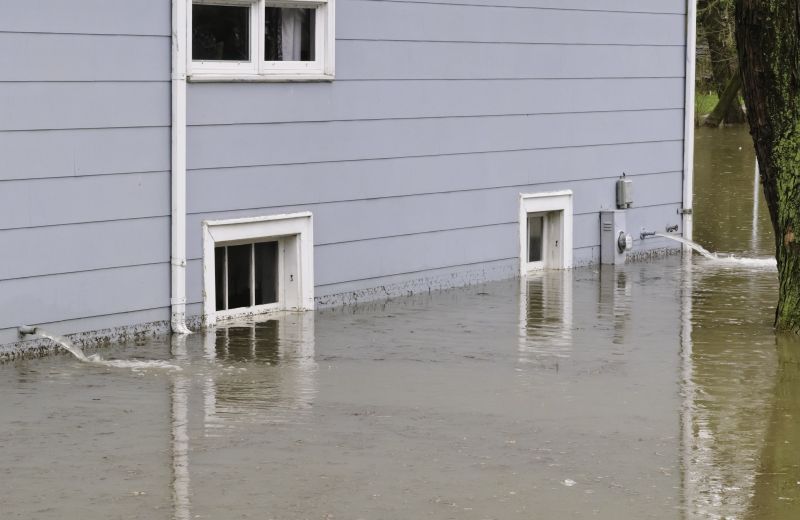 Storm restoration products are essential tools and materials used to repair and reinforce properties affected by severe weather events such as hurricanes, heavy rain, hail, and windstorms. These products help restore structural integrity, prevent further damage, and ensure safety for occupants. From roofing materials to waterproofing solutions, a comprehensive approach to storm restoration involves selecting the right combination of products tailored to specific damage types and building requirements.
Top Overall Option
Heavy-Duty Weatherproofing Sealant
A versatile, high-performance sealant designed to provide a durable barrier against water intrusion, wind infiltration, and weather-related wear. Suitable for sealing roofs, windows, doors, and other vulnerable areas, it offers excellent adhesion and flexibility to accommodate building movement. This product is often favored for its ease of application and long-lasting protection, making it an essential component in storm restoration efforts.
Types of Products For Storm Restorations
Reinforced Roofing Materials
Includes impact-resistant shingles, metal roofing panels, and composite roofing options designed to withstand high winds and hail damage.
Waterproof Membranes
Used to create a water-resistant barrier on roofs, foundations, and walls to prevent leaks and moisture intrusion.
Structural Reinforcement Products
Steel braces, hurricane straps, and other reinforcement hardware that strengthen building frameworks against storm forces.
Sealants and Caulks
High-quality sealants for sealing gaps around windows, doors, and roofing penetrations to prevent water and air leaks.
Gutter and Drainage Systems
Enhanced gutter systems and downspouts designed to efficiently channel water away from the property during heavy rains.
Storm Shutters
Protective shutters that shield windows from flying debris and high winds, reducing the risk of glass breakage.
Flood Barriers and Sandbags
Temporary or permanent barriers to redirect floodwaters away from structures.
Emergency Power Supplies
Generators and backup power systems to maintain essential functions during power outages caused by storms.
Dehumidifiers and Ventilation
Equipment to control moisture levels and improve air circulation following storm-related water intrusion.
Insulation and Vapor Barriers
Materials that help prevent mold growth and improve energy efficiency after water damage.
Foundation Repair Products
Cement, epoxy, and underpinning solutions to stabilize and repair damaged foundations.
Debris Removal Tools
Heavy-duty rakes, shovels, and debris chutes to clear storm debris efficiently.
Portable Lighting and Safety Equipment
Reliable lighting and safety gear for safe working conditions during restoration activities.
Roof Ventilation Systems
Proper ventilation products to reduce moisture buildup and improve roof longevity after storms.
Painting and Coatings
Protective paints and coatings that add an extra layer of defense to exterior surfaces.
Popular Choices
Designed to withstand hail and flying debris, these shingles are commonly used in storm-prone areas.
A versatile tape for quick sealing of leaks and cracks during emergency repairs.
Applied to windows to add an extra layer of protection against shattering during storms.
Nails designed for secure fastening of roofing materials in high-wind conditions.
Doors constructed with materials that resist water infiltration during flooding.
Netting used to protect structures and surrounding areas from storm debris.
Reliable power sources for maintaining essential operations during outages.
Effective tools for removing water from flooded areas to prevent further damage.
Sensors and alarms that help identify leaks early after storm damage.
Gutter systems designed to handle heavy rainfall without clogging or overflowing.
Durable lighting options suitable for emergency situations during restoration work.
Temporary supports to stabilize damaged structures until permanent repairs can be made.
Sprayable sealants for quick application on various surfaces to prevent water intrusion.
Coatings that add an extra layer of protection to exterior surfaces exposed to storm conditions.
Protective gloves designed for handling debris and repairing damaged structures safely.
Fencing solutions to secure damaged properties and restrict access during restoration.
Exterior siding options that resist impact and moisture damage from storms.
In areas like Woodland Hills, California, where weather can occasionally bring intense storms, having access to reliable restoration products is vital for property owners and contractors alike. Properly chosen materials can facilitate quicker repairs, minimize downtime, and provide peace of mind during unpredictable weather conditions. It is important to consider the durability, compatibility, and ease of installation of these products to ensure they meet the demands of storm-related damage.
Effective storm restoration also involves assessing the extent of damage and selecting products that address both immediate needs and long-term resilience. For example, high-quality sealants and waterproof membranes can prevent future leaks, while reinforced roofing options can withstand high winds. Proper planning and product selection are crucial for a successful restoration process, helping properties regain their structural integrity and safety standards.
Ultimately, investing in the right storm restoration products can make a significant difference in recovery efforts. Whether dealing with minor repairs or extensive damage, understanding the variety of available products and their specific uses is key to making informed decisions. This approach ensures that properties are well-protected against future storms and that restoration efforts are efficient and effective.
Key Buying Considerations
- Assess the specific damage caused by the storm to determine the most suitable products.
- Look for materials with high durability and resistance to weather-related stress.
- Ensure compatibility of new products with existing structures and materials.
- Consider ease of installation, especially for temporary or emergency repairs.
- Evaluate the long-term performance and maintenance requirements of the products.
- Choose products that meet local building codes and safety standards.
- Opt for products with proven adhesion and sealing capabilities to prevent leaks.
- Prioritize products that offer flexibility to accommodate building movement and settling.
- Consider the environmental conditions of the area, such as wind speed and rainfall levels.
- Review product warranties and manufacturer support for peace of mind.
- Determine the size and scope of the restoration project to select appropriately scaled products.
- Check for compatibility with existing roofing, siding, and structural elements.
- Factor in budget constraints while balancing quality and longevity.
- Research customer reviews and expert recommendations for product performance insights.
- Plan for future storm preparedness by selecting upgrade options when possible.